SNES / Super Famicom
Nintendo's 16-bit console
- 1990Released
- 4thGeneration
- NintendoDeveloper

SNES / Super Famicom Specifications
- Processor
- Ricoh 5A22 (16-bit-Core)
- Processor Speed
- 3.58 MHz
- RAM
- 128 kB
- Video RAM
- 64 KB
- Max Sprites
- 128
- Max Sprite Size
- 64 x 64 pixels
- Max Background Size
- 1024 x 1024 pixels
- Resolution
- Progressive - 256×224, 512×224, 256×239, 512×239 Interlaced - 512×448, 512×478
- Audio Processor
- Sony SPC700, Sony DSP
- Processor Speed
- 1.024Mhz
- Audio RAM
- 64 KB
- Audio Processor
- ADPCM, 8-Channels
- Audio Output
- 32Khz 16-bit stero
Overview
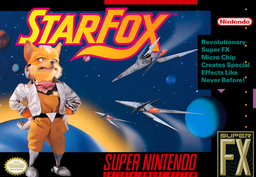
The Super Nintendo Entertainment System (SNES, Super Nintendo or Super NES), known in Japan as the Super Famicom, is a 16-bit video game console and Nintendo’s successor to the NES. It offered more advanced graphics and sound than most consoles of its generation, and games that used the Super FX chip in their cartridges could show 3D graphics that were unusually smooth and detailed for a home console at the time.
Despite a relatively late start and strong competition from Sega’s Mega Drive (Genesis) in North America and Europe, the SNES became the best-selling console of the 16-bit era. It stayed popular into the 32-bit era and remains a favourite with collectors, retro gamers and emulation fans.
The SNES is one of the most thoroughly emulated consoles, with several emulators able to run its entire library. Accuracy-focused emulators such as bsnes reproduce the original hardware very closely, down to its bugs and quirks, at the cost of higher system requirements.
Key Features
Super FX Chip
Super FX cartridges showed smooth, detailed 3D graphics.
Sony Audio
A Sony SPC700 and DSP produced 8-channel stereo sound.
Best Seller
The best-selling console of the 16-bit era.
Advanced Graphics
Up to 128 sprites and more advanced graphics than most rivals.
Advertisement
SNES / Super Famicom Emulators







Which one to pick
Known forFast and portable, running nearly every SNES game, Super FX titles included, with netplay, shaders and rewind.
Known forLow-level emulation of every SNES coprocessor, Super Game Boy support, HD Mode 7 and run-ahead to cut input latency.
Known forA multi-system emulator with a built-in debugger and tools for homebrew development and ROM hacking.
Known forThe successor to higan. A multi-system emulator that puts accuracy first and runs slower than speed-focused emulators.
Known forA multi-system emulator driven from the command line, with save states, rewind and netplay.
Known forCycle-accurate SNES emulation by Near that aims to run every game without bugs the real console didn't have.
Known forOnce one of the most popular SNES emulators, written largely in x86 assembly for speed. Less accurate than Snes9x or bsnes.
In short
For most players on Windows, macOS, Linux or Android, Snes9x is the simpler choice: it runs nearly every SNES game and stays light enough for older hardware. On a fast computer, bsnes offers more accurate emulation, with extras such as HD Mode 7 and run-ahead. Mesen adds a debugger for homebrew and ROM hacking, and ares and higan put accuracy ahead of speed. ZSNES is no longer developed and is kept here as an archive.