NES / Famicom
The console that revived home gaming
- 1983Released
- 3rdGeneration
- NintendoDeveloper
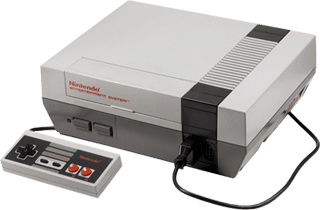
NES / Famicom Specifications
- Processor
- Ricoh 2A03
- Picture Processing Unit
- RP2C02
- Picture Processing Unit Speed
- 1.79 MHz
- RAM
- 16Kbit (2 Kib)
- Video RAM
- 16 Kbit (2 KiB)
- Colors Available
- 54
- Max Colors on Screen
- 25
- Max Sprites
- 64
- Max Sprites per Scan Line
- 8
- Max Sprite Size
- 8 x 8 or 8 x 16 pixels
Overview
The Nintendo Entertainment System (NES), known in Japan as the Famicom, is an 8-bit video game console designed and manufactured by Nintendo. It is widely credited with reviving the American video game industry after the crash of 1983.
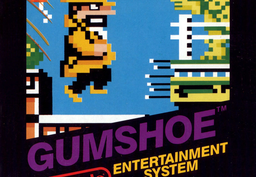
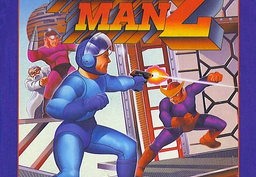
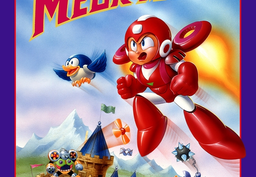
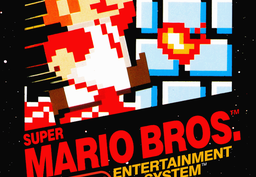
The NES launched some of Nintendo’s most popular series, including Super Mario Bros., The Legend of Zelda and Metroid. It also saw the birth of Capcom’s Mega Man, Konami’s Castlevania, Square’s Final Fantasy and Enix’s Dragon Quest series (Square and Enix later merged to form Square Enix). All of these franchises are still going today.
The NES also changed how console makers worked with third-party developers: games could only be published with Nintendo’s approval under its licensing programme. This gave Nintendo control over the quality of the games released for the system, which helped restore public confidence in home consoles.
The console is no longer manufactured, but it has been emulated to the point where almost all of its hardware behaviour has been reproduced. Accuracy-focused emulators such as Nestopia emulate the hardware cycle by cycle, so what appears on screen should match what the original console produced.
Key Features
Revived Home Gaming
Credited with reviving the American industry after the 1983 crash.
Legendary Series
Launched Super Mario Bros., The Legend of Zelda and Metroid.
Licensing Programme
Games needed Nintendo's approval, keeping quality under control.
Sprite Graphics
Up to 64 sprites and 25 colours on screen from 54.