Nintendo GameCube
Nintendo's compact mini-disc console
- 2001Released
- 6thGeneration
- NintendoDeveloper
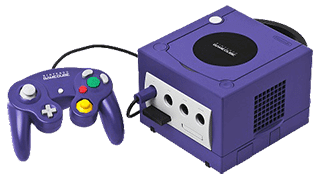
GameCube Specifications
- CPU
- IBM 'Gekko' PowerPC
- CPU Speed
- 487 MHz
- CPU Level-1 Cache
- 64 KB
- CPU Level-2 Cache
- 256 KB
- CPU Arithmetic Logic Unit
- 32-bit
- CPU Floating-point Unit
- 64-bit
- System RAM
- 43 MB
- GPU
- ATI 'Flipper' GPU
- GPU Speed
- 8.6 GFLOPS
- Video RAM
- 3MB (2MB Z-Buffer + 1 MB texture cache)
- Resolution
- 640×480 interlaced (480i) @ 60Hz | 640×480 Progressive Scan (480p) @ 60 Hz (NTSC Only) | 768×576 interlaced (576i) @ 50 Hz (PAL Only)
Overview
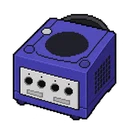
The Nintendo GameCube was Nintendo’s fifth home video game console and its first to use optical discs. Instead of standard full-sized discs, Nintendo chose smaller miniDVD-sized discs, so the console could not play DVDs or audio CDs. Its two competitors, the Xbox and the PlayStation 2, could both act as DVD players, which mattered to some buyers at a time when DVD players were still expensive.
The GameCube could be expanded through ports on the bottom of the console. In practice these were only used for the Broadband Adapter, which added network play, and the Game Boy Player, which let Game Boy games be played on a TV with a GameCube controller.
The GameCube was praised for its library of high-quality games but did not sell as well as its rivals. It finished its life with 21.74 million units sold, about 3 million behind Microsoft’s newcomer, the Xbox, and both fell far short of the PlayStation 2’s more than 155 million.
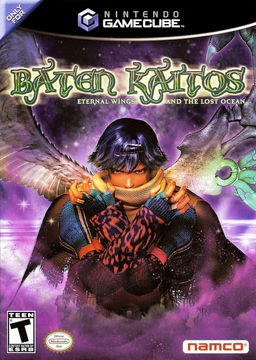
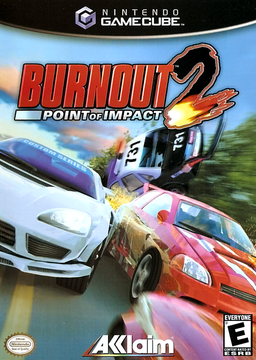
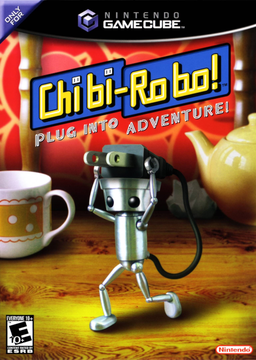
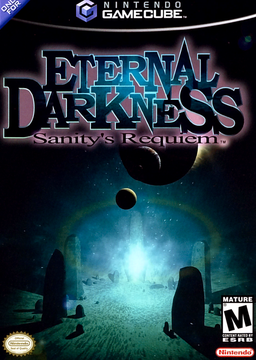
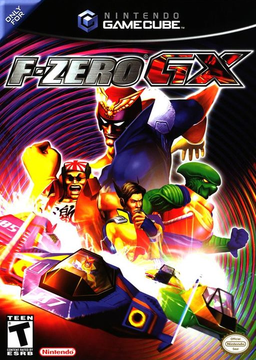
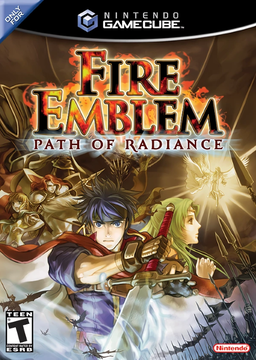
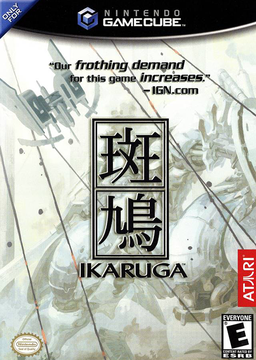
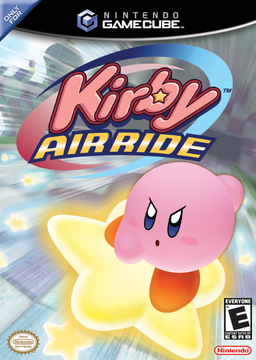
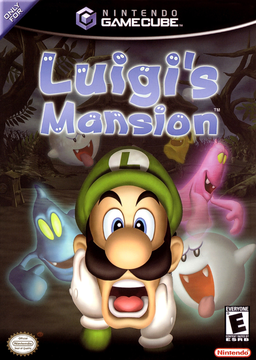
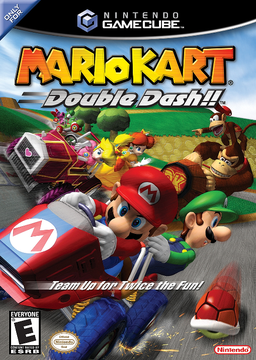
Despite its sales, the GameCube left a lasting legacy thanks to its games.
Key Features
Mini Discs
Nintendo's first disc console, using miniDVD-sized discs.
Expansion Ports
Ports underneath took the Broadband Adapter and Game Boy Player.
Acclaimed Library
Praised for its library of high-quality games.
Gekko and Flipper
An IBM Gekko PowerPC CPU with an ATI Flipper GPU.