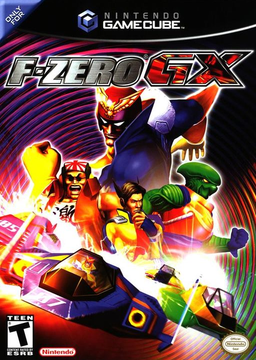
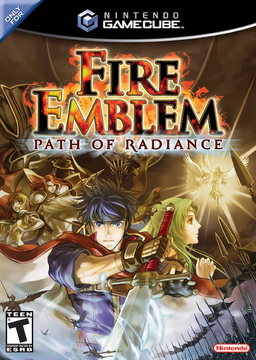
GameCube Emulators
GameCube emulators allow users to play GameCube games on modern devices like PCs and smartphones. The most popular emulator is Dolphin, known for its high compatibility, performance, and advanced features.
Emulators can provide enhancements like higher resolutions, improved textures, save states, and support for various controllers, offering a superior experience compared to the original hardware.
Which one to pick
Known forRuns almost every GameCube and Wii game at far higher resolutions than the console, with netplay, save states, cheats and support for real controllers and Wii Remotes.
Known forAn experimental emulator written in C/C++ whose original core could boot many commercial games.
Known forA Windows-only continuation of GCube, built on its fast interpreter core. Its planned recompiler never arrived.
Known forThe first GameCube emulator to be released publicly. It could boot some commercial games and demos, but is mostly incomplete.
Known forNever ran commercial games, but its work on the Broadband Adapter and other hardware later benefited emulators such as Dolphin.
Known forAn open source emulator that aimed to fully emulate one commercial game. Its final version runs only some small homebrew programs.
Known forA proof of concept built to show the GameCube could be emulated at a reasonable speed with recompilation. Very incomplete.







In short
Dolphin is the one to use. It runs almost every GameCube and Wii game, often in HD, with official builds for Windows, macOS, Linux and Android. Its numbered releases are the safest choice, while its development builds get new fixes first. The other emulators here stopped long before they caught up with Dolphin, and most never ran commercial games; they are kept here as an archive of early GameCube emulation.