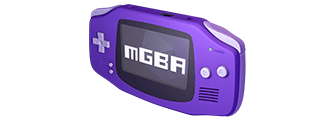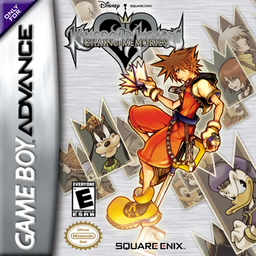
Game Boy Advance
Nintendo's 32-bit handheld
- 2001Released
- 6thGeneration
- NintendoDeveloper

GBA Specifications
- Processor
- ARM ARM7TDMI (32-bit)
- Processor Speed
- 16.8 MHz
- RAM
- 128 KB
- Video RAM
- 256 KB KB
- Co-Processor
- Zilog Z80 (8-bit, used for GameBoy emulation)
- Co-Processor Speed
- 4 MHz or 8 MHz
- Audio Processor
- Dual 8-bit DAC
- Audio Output
- Built-in speaker (mono), or headphone socket (stereo)
- Resolution
- 240 x 160 pixels
- Colors Available
- 32,768 (15-bit)
- Max Colors on Screen
- 512 in character mode | 32,768 in bitmap mode
Overview
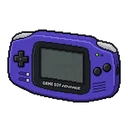
The Game Boy Advance, often abbreviated to GBA, is the successor to the Game Boy Color. It kept Nintendo at the top of the handheld market, selling 81.51 million units worldwide.
Like its predecessor, the Game Boy Advance is backwards compatible, so it plays both Game Boy and Game Boy Color games. This gave it a large library of quality games from day one, and meant anyone upgrading from a Game Boy Color could keep playing their existing games.
The Game Boy Advance was redesigned twice. The first redesign, the Game Boy Advance SP, moved to a clamshell design, later carried over to the Nintendo DS, and added a front-lit screen that made the console much easier to play in different lighting and made colours look more vibrant.
The second was the Game Boy Micro, a much smaller version of the console. It kept the improved lit screen but dropped a major feature: it cannot play Game Boy or Game Boy Color games.
The Game Boy Advance cemented Nintendo’s position as the company to beat in the handheld market.
Key Features
Backward Compatible
Plays both Game Boy and Game Boy Color games.
32-Bit ARM
An ARM7TDMI 32-bit processor running at 16.8 MHz.
Lit SP Screen
The SP added a front-lit screen and a clamshell design.
Game Boy Micro
A much smaller redesign that kept the improved lit screen.