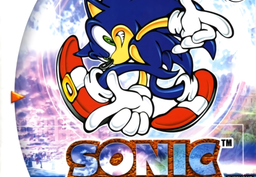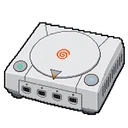
SEGA Dreamcast
SEGA's last console, with a built-in modem
- 1998Released
- 6thGeneration
- SegaDeveloper

SEGA Dreamcast Specifications
- CPU
- Hitachi SH-4 (128-bit)
- CPU Speed
- 200 MHz
- RAM
- 16 MB SDRAM
- GPU
- NEC PowerVR2 DC
- GPU Speed
- 100 MHz
- Video RAM
- 8 MB
- Audio Processor
- Yamaha AICA (32-bit)
- Audio Processor Speed
- 22.5 MHz
- Audio Co-Processor
- ARM7 RISC
- Audio Co-Processor Speed
- 45 MHz
- Audio RAM
- 2 MiB
Overview
The Sega Dreamcast was released on 27 November 1998 in Japan, 9 September 1999 in North America and 14 October 1999 in Europe. It was the last console Sega released.
After problems with the Saturn, such as high production costs and very complex hardware, Sega took a different approach with the Dreamcast, building it largely from off-the-shelf components to keep costs down and make it easier to develop for.
The console sold well at first, helped by a large marketing campaign for its US launch, but interest fell quickly once Sony began building hype for the PlayStation 2.
The Dreamcast’s failure to meet sales expectations, along with tough competition from the PlayStation 2, Xbox and Nintendo’s GameCube, was one of the main reasons Sega left the console market in 2001.
Despite its short life and limited support, the Dreamcast has been praised as ahead of its time.
Its library includes Crazy Taxi, Shenmue and Jet Set Radio, as well as high quality ports of games from Sega’s NAOMI arcade board.
Key Features
Off-the-Shelf Parts
Built from standard components to cut costs and ease development.
PowerVR2 Graphics
NEC PowerVR2 graphics with 8 MB of video RAM.
Arcade Ports
High quality ports of games from Sega's NAOMI arcade board.
Sega's Last Console
The final console Sega released before leaving the market.
Advertisement
SEGA Dreamcast Emulators




Which one to pick
Known forThe maintained successor to Reicast. Higher internal resolutions, online play through DCNet, RetroAchievements, and NAOMI and Atomiswave arcade games. Needs the Dreamcast BIOS.
Known forSimple to use, with no BIOS or flash files needed. The developer says over 95% of the library plays to the end; HD rendering is a premium upgrade.
Known forA Dreamcast emulator that also runs Sega's NAOMI and Sammy's Atomiswave arcade boards, with a DirectX 11 renderer that needs newer hardware.
Known forAn open source emulator that put compatibility ahead of performance, with some of the best compatibility of its time. Needs the Dreamcast BIOS.
Known forA portable emulator from former NullDC developers, aimed mainly at Android, with higher internal resolutions. Continued as Flycast.
Known forOne of the first emulators to run commercial Dreamcast games. It achieved a great deal for 2004, but was left buggy and outdated.
In short
Flycast is the actively developed, open source choice, with builds for Windows, macOS, Linux, Android, Switch and Xbox, free upscaling and RetroAchievements. Redream is the easiest to set up, needing no BIOS files, though high-definition rendering is a paid upgrade. On Windows, DEmul is one of the most feature-packed options and also runs NAOMI and Atomiswave games. NullDC, Reicast and Chankast are no longer developed and are kept here as an archive; Flycast continues the work of NullDC and Reicast.