SEGA CD / Mega CD
SEGA's CD-ROM add-on for the Genesis
- 1991Released
- 4thGeneration
- SEGADeveloper
SEGA CD / Mega CD Specifications
- Processor
- Motorola 68000, alongside the Genesis's own 68000
- Processor Speed
- 12.5 MHz
- RAM
- 768 KB (512 KB program RAM, 256 KB word RAM)
- Graphics
- Custom ASIC for sprite scaling and rotation
- Sound
- Ricoh RF5C164, 8-channel PCM, and CD audio
- Media
- CD-ROM (single speed, 150 KB/s)
Overview
The SEGA CD is an add-on for the SEGA Genesis that lets it play games from CD-ROM. It was released in Japan as the Mega CD in December 1991, in North America as the SEGA CD in October 1992 and in Europe in 1993.
The add-on is much more than a CD drive. It has its own Motorola 68000 processor, running faster than the one in the Genesis, extra memory, a graphics chip that can scale and rotate sprites and an eight-channel PCM sound chip. It could also play audio CDs and, with later software, CD+G discs.
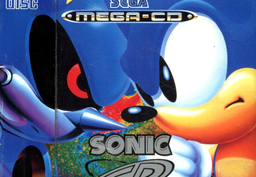
The large storage of a CD made full-motion video games possible, and the SEGA CD became known for them, with titles such as Night Trap and Sewer Shark. Its best-regarded games include Sonic CD, Snatcher, Lunar: The Silver Star, Popful Mail and Shining Force CD.
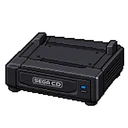
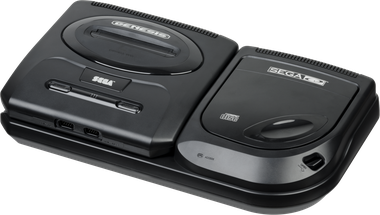
The first model sat underneath the Genesis and used a motorised tray. A smaller, top-loading second model was designed to fit the redesigned Genesis, and JVC sold a combined console called the Wondermega (X’Eye in North America). About 2.2 million SEGA CD units were sold.
Most emulation of the SEGA CD is done by Genesis emulators. Genesis Plus GX is the most common choice, especially in RetroArch, and ares and PicoDrive are also good options. SEGA CD games need the original BIOS for the matching region.
Key Features
CD-ROM Games
Let the Genesis play games and audio CDs from CD-ROM.
Second 68000
Its own 68000 runs faster than the one in the Genesis.
Full-Motion Video
CD storage made full-motion video games possible.
PCM Sound
An eight-channel PCM sound chip plus CD audio.