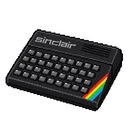
ZX Spectrum
Sinclair's rubber-keyed British computer
- 1982Released
- Home ComputerType
- Sinclair ResearchDeveloper
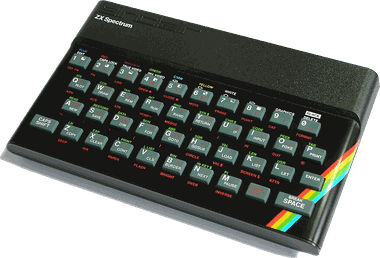
ZX Spectrum Specifications
- Processor
- Zilog Z80A (8-bit)
- Processor Speed
- 3.5 MHz
- RAM
- 16 KB or 48 KB (128 KB on later models)
- GPU
- Ferranti ULA
- Resolution
- 256 x 192 pixels, 15 colours
- Media
- Cassette tape (floppy disk on the +3)
Overview
The ZX Spectrum is an 8-bit home computer designed by Sinclair Research and released in the United Kingdom in April 1982. It was sold with 16 KB or 48 KB of memory, used a Z80A processor and a television for its display, and loaded software from ordinary cassette tapes.
Its low price, rubber keyboard and colourful rainbow badge made it hugely popular in Britain, and it became the starting point for many British games developers, including Ultimate Play the Game (later Rare) and Codemasters. Colour is set per 8 x 8 block of pixels, which causes the “attribute clash” that became part of the machine’s look.
Sinclair released the Spectrum+ in 1984 and the Spectrum 128 in 1985, which added more memory and an AY sound chip. After Amstrad bought Sinclair’s computer business in 1986 it released the +2, with a built-in tape deck, and the +3, with a 3-inch floppy drive.
More than five million Spectrums were sold, and licensed and unlicensed clones such as the Timex Sinclair 2068 and the Russian Pentagon kept it alive for years. It still has an active homebrew scene, and the ZX Spectrum Next continued the line in 2020.
Fuse is the best general choice today, with accurate emulation of every official model and many clones. ZEsarUX is a good alternative with a large range of machines and debugging tools.
Key Features
Rubber Keyboard
Its rubber keys and rainbow badge became iconic in Britain.
Cassette Loading
Loaded software from ordinary cassette tapes.
Attribute Clash
Colour set per 8 x 8 block gave it a distinctive look.
British Game Scene
The starting point for developers such as Rare and Codemasters.