Amstrad CPC
Amstrad's all-in-one 8-bit computer
- 1984Released
- Home ComputerType
- AmstradDeveloper
Amstrad CPC Specifications
- Processor
- Zilog Z80A (8-bit)
- Processor Speed
- 4 MHz
- RAM
- 64 KB (128 KB on the CPC 6128)
- GPU
- Motorola 6845 CRTC and Amstrad gate array
- Resolution
- 160 x 200 (16 colours) to 640 x 200 (2 colours)
- Available Colors
- 27
- Media
- Cassette tape, 3-inch floppy disk
Overview
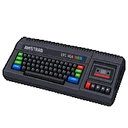
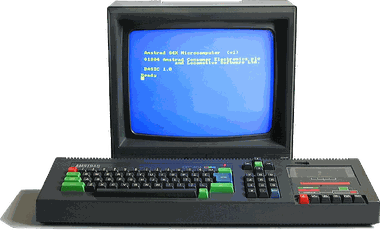
The Amstrad CPC (Colour Personal Computer) is a range of 8-bit home computers made by Amstrad, starting with the CPC 464 in April 1984. Unlike most home computers of the time it came as a complete system, with the keyboard, a built-in cassette deck and a colour or green-screen monitor sharing one power supply.
The CPC 664, with a built-in 3-inch floppy drive, followed in 1985 and was quickly replaced by the CPC 6128 with 128 KB of memory. In Germany the range was sold by Schneider, and it was especially successful in France and Spain as well as the UK.
The machine used a Z80A processor, Locomotive BASIC and an AY-3-8912 sound chip, and its screen modes offered up to 16 colours from a palette of 27. Many games were ports of ZX Spectrum titles, but the CPC also had its own classics and a strong demo scene that is still active.
About three million CPCs were sold. In 1990 Amstrad launched the 464 Plus and 6128 Plus, with improved graphics and sound and a cartridge slot, alongside the GX4000 console, but the range was discontinued soon after.
Caprice32 is a good open source choice on Windows, macOS and Linux. WinAPE is a popular Windows emulator with a built-in assembler and debugger, and it also supports the Plus range and GX4000.
Key Features
Complete System
Keyboard, cassette deck and monitor shared one power supply.
3-Inch Floppy
Later models had a built-in 3-inch floppy drive.
27-Colour Palette
Screen modes show up to 16 colours from a palette of 27.
Active Demo Scene
Its own classics and a strong demo scene that is still active.