Arcade Machines
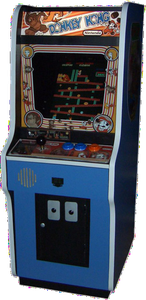
Arcade Machines Specifications
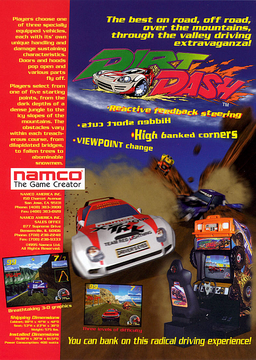
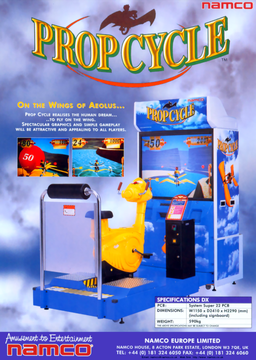
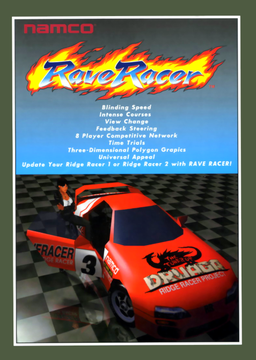
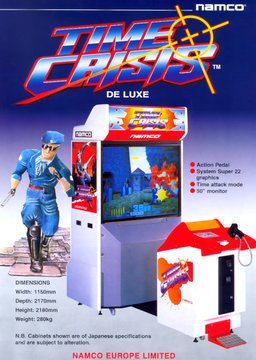
Arcade machines are coin-operated cabinets built around their own custom hardware. The first commercial video arcade game, Computer Space, appeared in 1971, and Atari’s Pong followed in 1972. Space Invaders (1978), Pac-Man (1980) and Donkey Kong (1981) made arcades one of the most popular forms of entertainment of the early 1980s.
Unlike home consoles, most arcade games shipped on a board designed for that game or a small family of games. Manufacturers such as Namco, Konami, Capcom, SEGA, Taito, SNK and Williams used a wide range of processors, sound chips and video hardware, and many boards carried extra protection chips to stop bootleg copies.
From the late 1980s, companies moved to shared platforms that took swappable game boards or cartridges, such as Capcom’s CPS-1 and CPS-2, SNK’s Neo Geo MVS and SEGA’s System 16, Model 2 and NAOMI. These cut costs for arcade operators and let one cabinet run many different games.
Arcades declined in the West from the late 1990s as home consoles caught up, but they remain popular in Japan. Because the original boards are rare and fragile, emulation is now the main way many of these games are preserved.
MAME is the reference emulator for arcade hardware and supports thousands of boards. FinalBurn Neo covers fewer systems but runs many popular 2D games, such as the CPS and Neo Geo libraries, with low system requirements and netplay.
Advertisement
Arcade Machines Emulators

FinalBurn Neo is an arcade emulator that continues FinalBurn Alpha. It runs Neo Geo, CPS, Cave and many other 2D arcade games, plus several consoles.

MAME is the open source reference emulator for arcade machines. It also emulates hundreds of consoles, handhelds and computers.