Classic Macintosh
Apple's computers from before Mac OS X
- 1984Released
- Home ComputerType
- AppleDeveloper
Classic Macintosh Specifications
- Processor
- Motorola 68000 (Macintosh 128K)
- Processor Speed
- 7.8336 MHz
- RAM
- 128 KB
- Display
- Built-in 9-inch black and white CRT
- Resolution
- 512 x 342 pixels
- Media
- 3.5-inch floppy disk (400 KB)
Overview
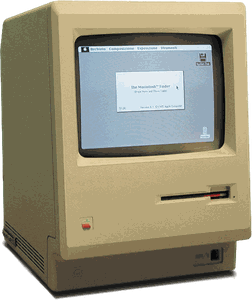
The Macintosh 128K was released by Apple in January 1984, introduced by the famous “1984” television advert shown during the Super Bowl. It was the first mass-market personal computer sold with a graphical user interface and a mouse as standard, and its all-in-one design put the screen, floppy drive and computer in one small case.
The first Macintosh was held back by its small memory, but later models such as the Macintosh Plus, the Macintosh II with colour graphics and expansion slots, and the compact Macintosh SE and Classic made the line a success, especially in desktop publishing, design and education.
In 1994 Apple moved the Macintosh from Motorola 68000 series processors to PowerPC, and the system software, later called Mac OS, went through versions 7, 8 and 9. The classic Mac OS was replaced by the Unix-based Mac OS X in 2001, although Mac OS X could still run older applications in its Classic environment until the move to Intel processors.
Many well-known games started or appeared early on the Macintosh, including Dark Castle, Shufflepuck Cafe, Myst, Marathon and the first SimCity versions, along with a large amount of shareware.
Today, Mini vMac is the easiest way to emulate early black and white Macs such as the Macintosh Plus. Basilisk II covers the later 68k Macs up to Mac OS 8.1, and SheepShaver runs PowerPC Mac OS up to version 9.0.4. All three need a Macintosh ROM file, which is not included.
Key Features
Mouse and GUI
First mass-market computer with a graphical interface and mouse.
All-in-One Design
Screen, floppy drive and computer shared one small case.
68k to PowerPC
Moved from Motorola 68000 processors to PowerPC in 1994.
Desktop Publishing
Became a success in desktop publishing, design and education.